Application solution

Tapered Cup Heat Transfer Solution

A tapered-surface transfer route that uses cup geometry, fixture positioning and coordinated roller motion to control seam alignment and film contact.

Solution overview

Production requirements

A tapered cup has different circumferences at its upper and lower edges, so a simple cylindrical transfer path can cause seam tilt, overlap or wrinkles.

Process

  1. 01

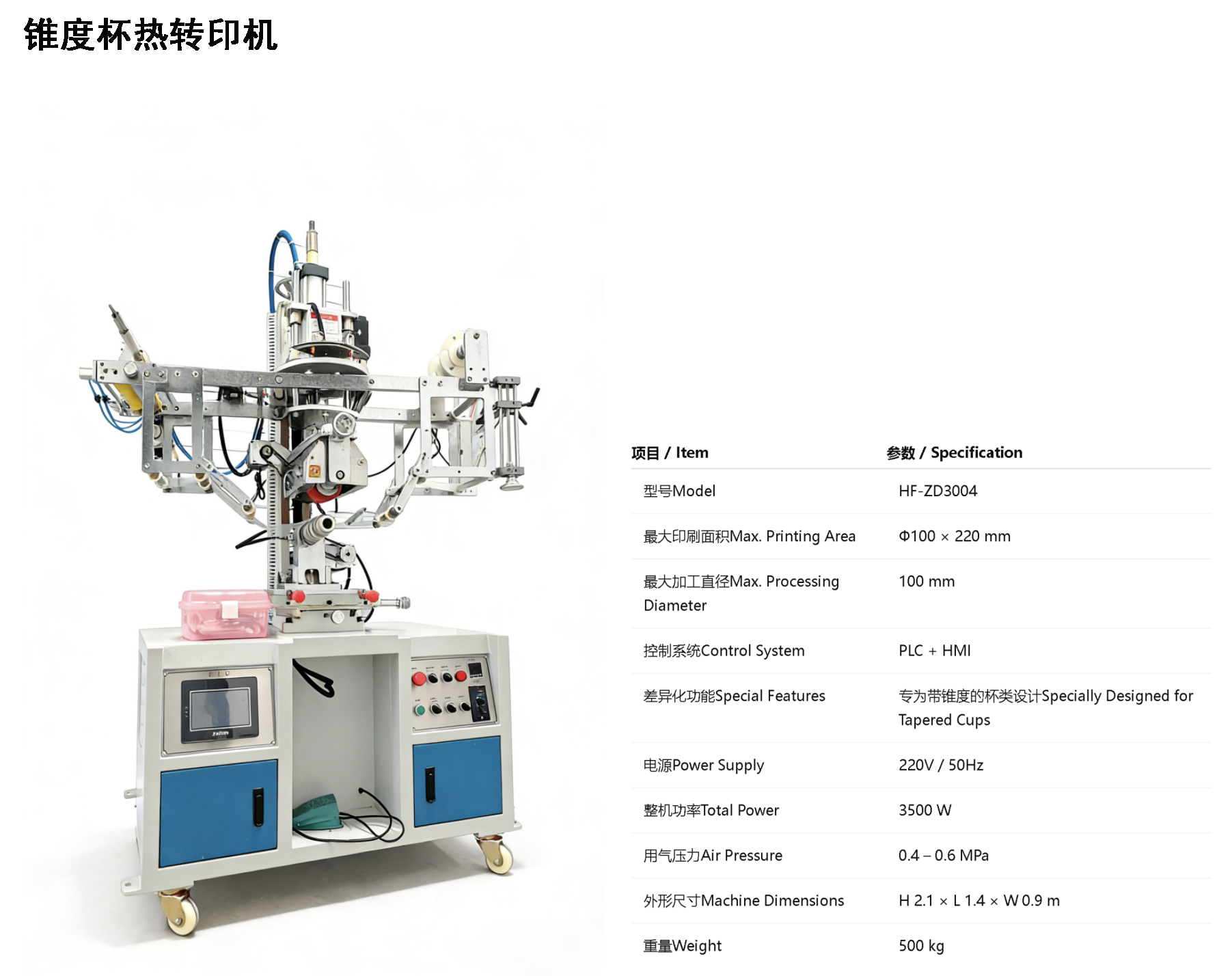
    Confirm the cup's major diameter, minor diameter and print height.

  2. 02

    Install the matching fixture and locate the cup.

  3. 03

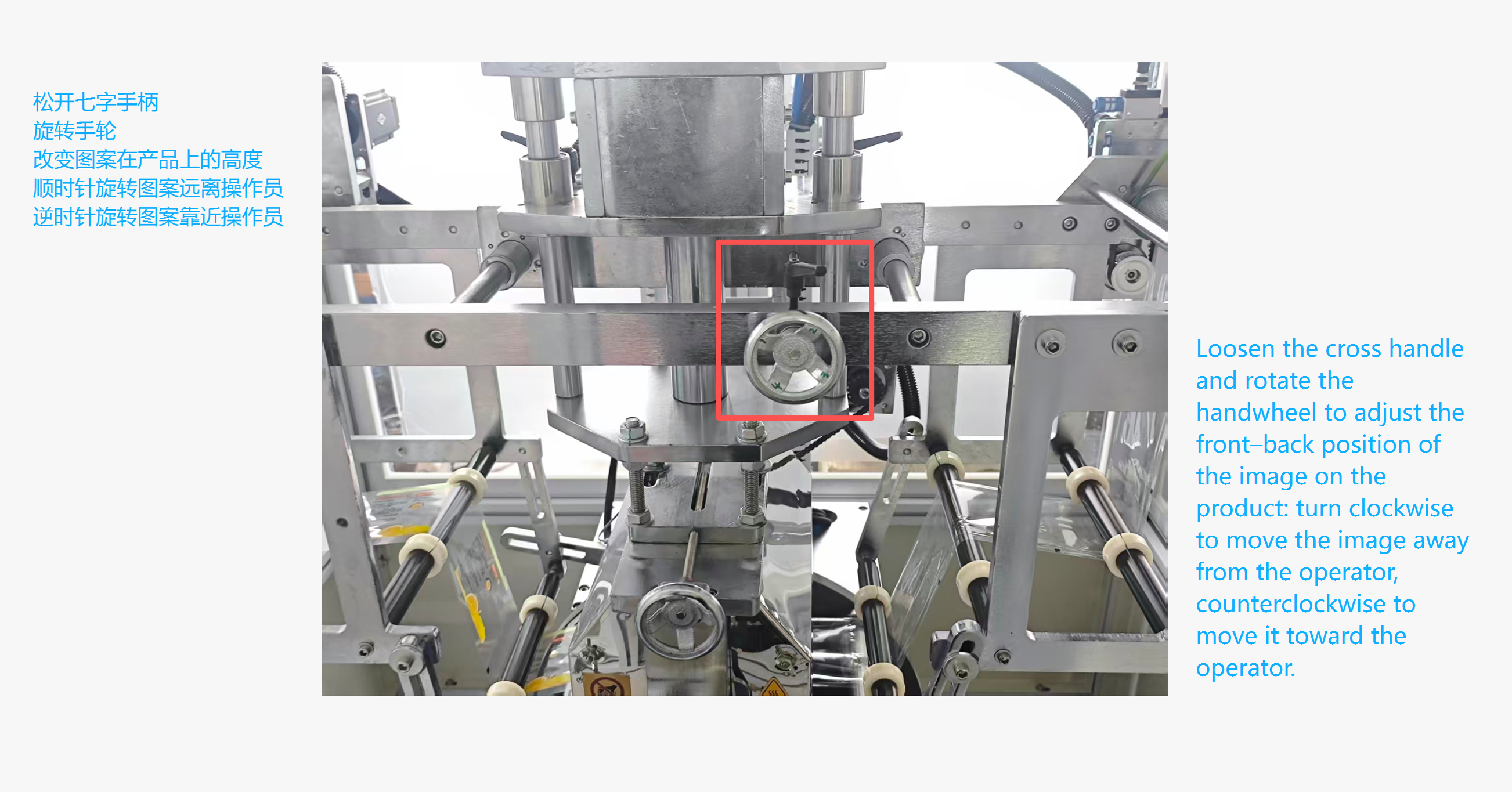
    Set the geometric compensation and print start position.

  4. 04

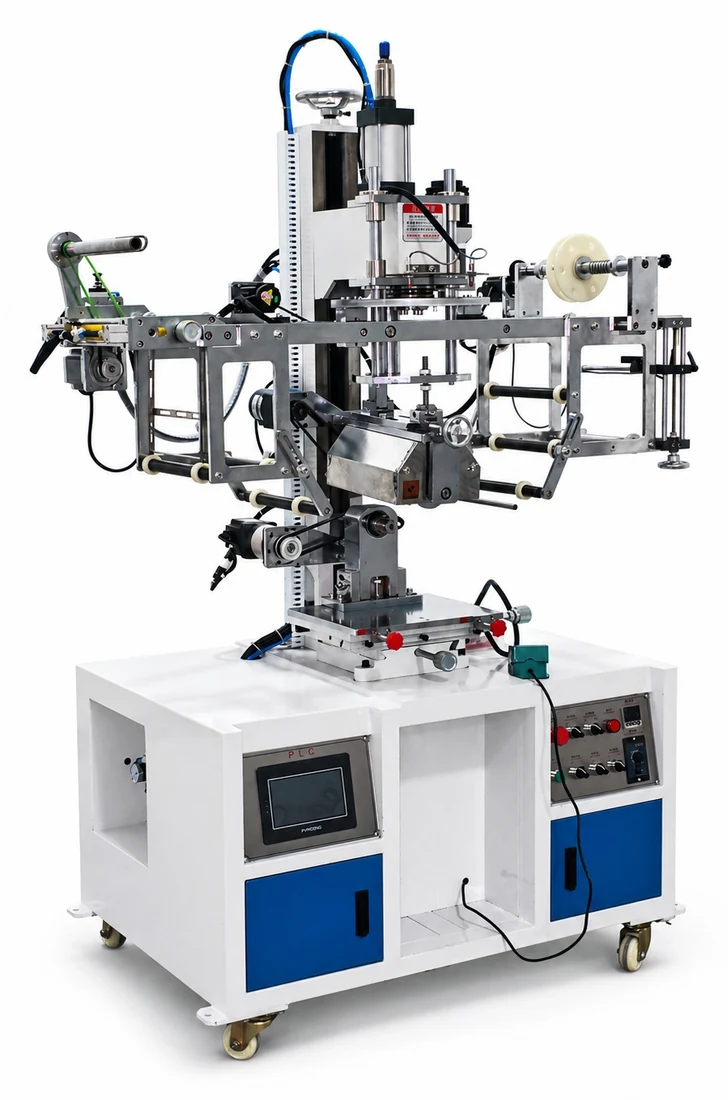
    Coordinate cup rotation, roller contact and film movement through the tapered path.

  5. 05

    Inspect the seam and make small geometry corrections when required.

Machine demonstration

Machine photos and operating video

Operating video

PT26S

Tapered cup heat transfer operation and sample result

Operating video showing transfer-film movement, roller contact and the decorated tapered cup.

Connected evidence

Continue with the related machine, route and method

These routes are connected by selection conditions, process mechanism and validation order; they do not imply universal machine fit.

Related machines

Equipment used in this solution

Related applications

Products and production scenarios

Commissioning

Checks before the first article

  • Confirm both cup diameters, print height, artwork geometry and supported position as one setup.
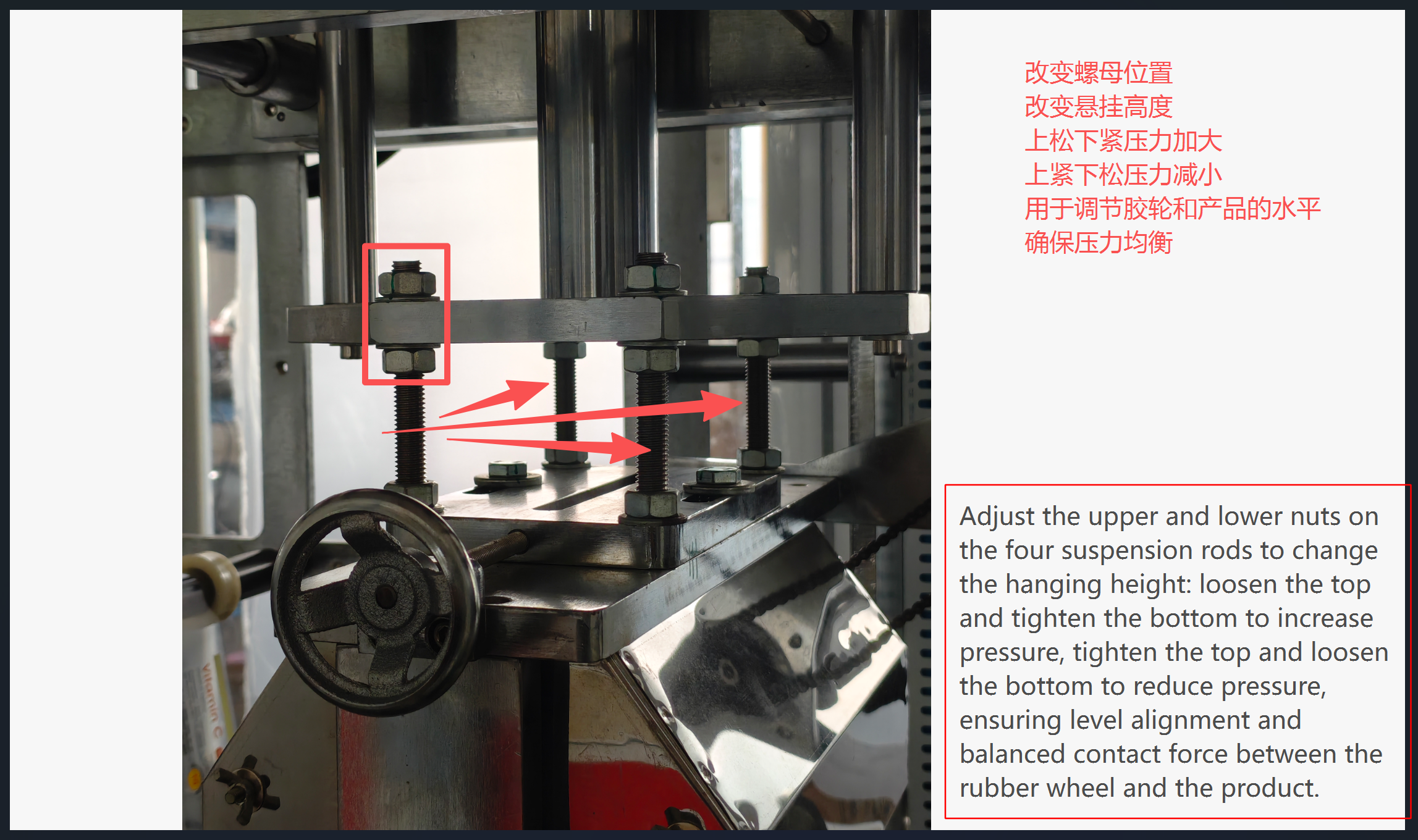
  • Check roller contact and film tension across the full print height before changing process energy.
  • Establish the print start position with small geometry changes and a clearly marked sample.

Selection notes

Configuration details

  • The cup taper, wall rigidity and accessible print area must be checked with the sample.
  • Artwork geometry and transfer film must be prepared for the tapered surface.
  • Final seam quality depends on the confirmed fixture, geometry and process window.

Questions

Frequently asked questions

Why are both cup diameters required?

They describe the circumference difference that the coordinated transfer path must compensate across the print height.

How is seam tilt corrected?

The start position and confirmed cup geometry are adjusted in small steps, then checked on sample parts.

Can one fixture handle every cup?

No. Cup dimensions, wall support and loading position determine the fixture design.

Contact Hengfa

Tell us about your product

Send product photos, dimensions, material, artwork position and output target. We will recommend a suitable machine configuration.

International contactljw1140551274ljw@gmail.com

Email