Classify the side wall
Record the upper and lower diameters at the print band. Equal diameters describe a cylindrical route; different diameters require tapered-fixture and artwork-development checks.
Application
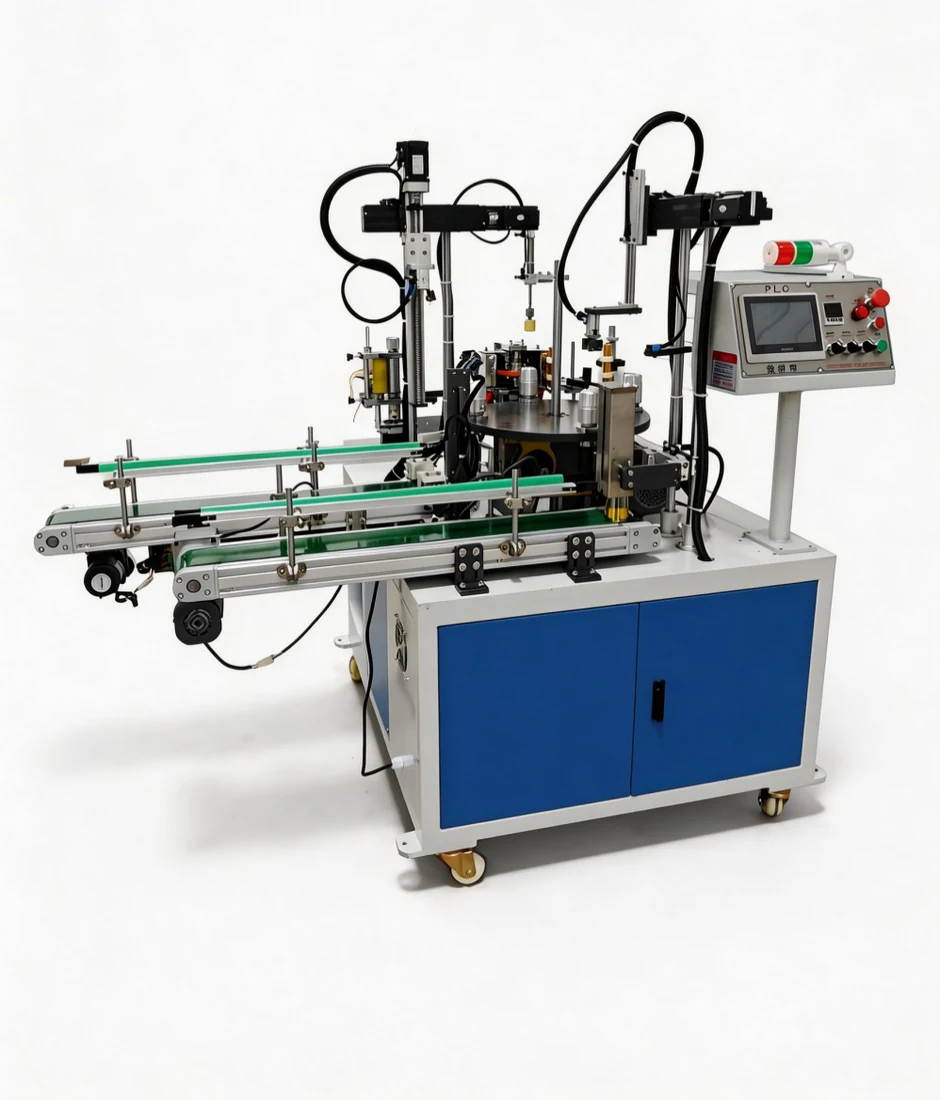
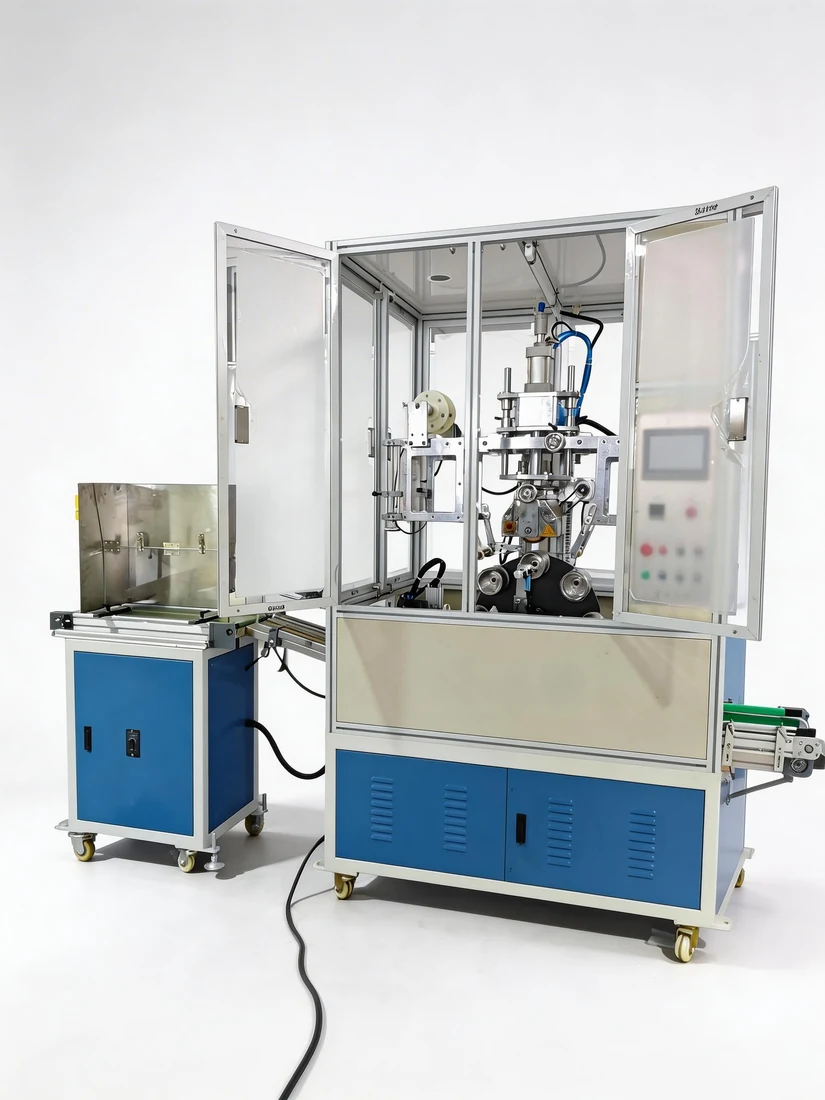
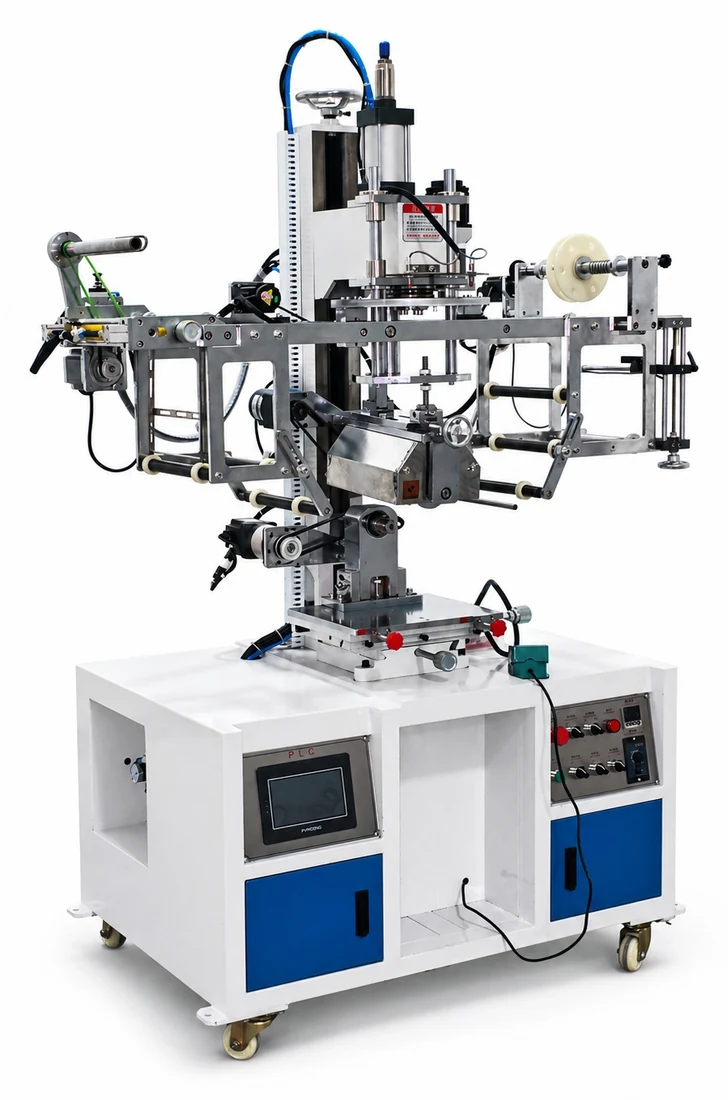
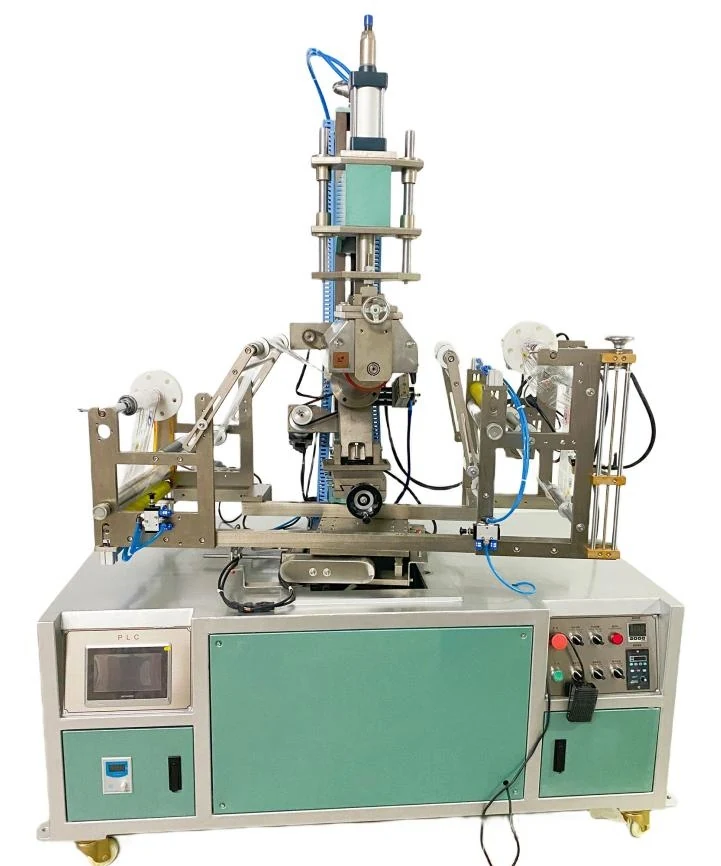
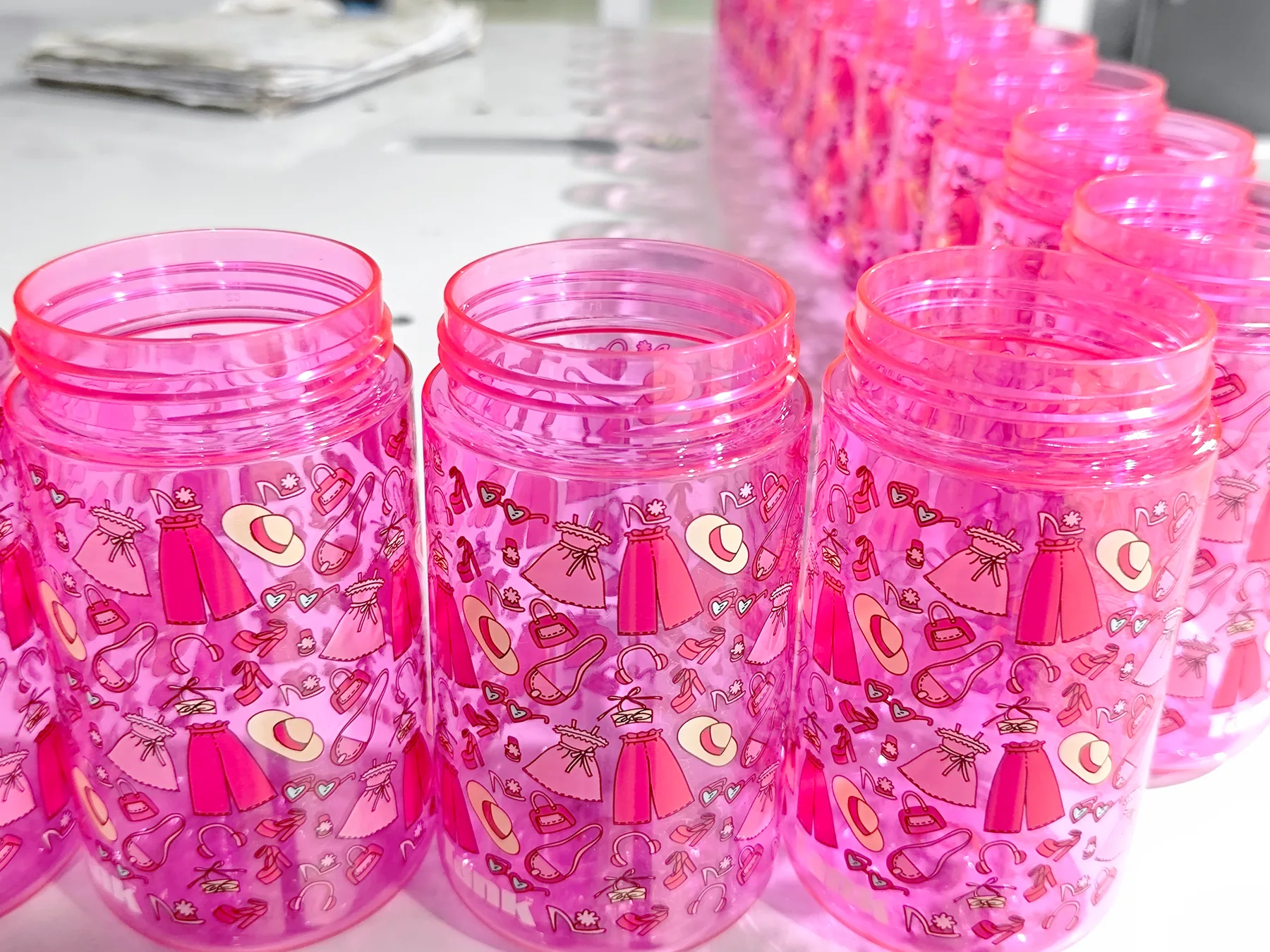
Solutions for tapered cups, paint buckets, chemical pails, flower pots, sauce buckets, and round or tapered container decoration.
Product requirements
Large-end and small-end diameter
Container height and printable height
Handle, ribs and local interference
Production setup
Cylindrical circumference transfer
Tapered fixture and developed artwork
Automatic feeding with orientation
Application evidence
Decision framework
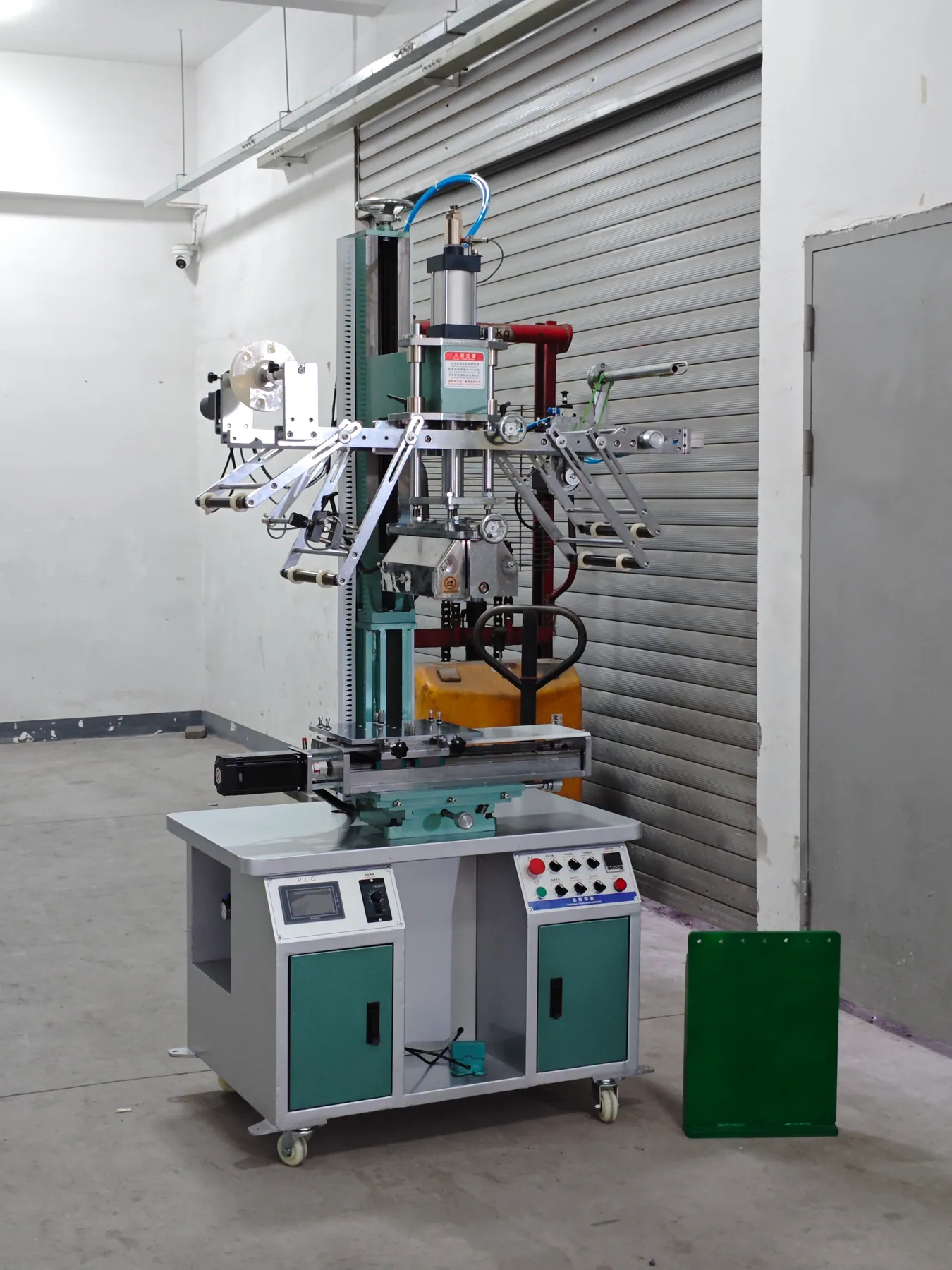
This route covers cylindrical and tapered containers, but those shapes must not be treated as one setup. Selection begins with wall geometry, supported print height, decoration coverage and the way each part is loaded and located.
Record the upper and lower diameters at the print band. Equal diameters describe a cylindrical route; different diameters require tapered-fixture and artwork-development checks.
Product height is not the same as printable height. Rims, handles, ribs, draft changes and soft wall sections may interrupt support or the roller path.
A local panel needs a repeatable start datum. A full or near-full wrap also needs seam geometry, artwork pitch and circumferential motion to agree.
Large pails, light cups and containers with handles require different feeding and orientation methods. Automation is chosen after proving that the part can be presented to the fixture consistently.
Field diagnosis
| Observed symptom | Priority judgement | Check first | How to confirm |
|---|---|---|---|
| Seam opens at one end or forms an hourglass | Taper, artwork development, fixture angle or contact-path mismatch | Compare the seam at the top, centre and bottom; confirm both diameters and the supported print height. | Make one geometry correction only and use the direction of seam change to choose the next step. |
| A band repeats light or dark each revolution | Part roundness, fixture concentricity, wall support or periodic speed variation | Mark the angular position of the defect and see whether it follows the part, fixture or machine. | Reload or rotate the part datum and repeat without changing process energy. |
| Artwork length or seam position drifts | Surface-speed mismatch, slip, changing film tension or unstable product location | Separate a constant offset from an error that accumulates over consecutive parts. | Observe the same datum for several cycles and identify which motion changes first. |
| Wrinkle begins near one film edge | Roller-axis alignment, unequal edge tension or an angled entry path | Trace both film edges before, through and after the contact zone. | Correct geometry before changing heat; the wrinkle origin should disappear during dry motion. |
Release criteria
Connected evidence
These routes are connected by selection conditions, process mechanism and validation order; they do not imply universal machine fit.
Machine options
Rim hot stamping for rigid plastic disposable champagne cups, airline cups, dessert cups and reception cups.
View machine detailsPlastic cups requiring automatic circumference heat transfer.
View machine detailsSmall and medium tapered containers such as PP cups, flower pots and small beach buckets.
View machine detailsLarger tapered pails such as plastic paint buckets, coating buckets and sauce buckets.
View machine detailsContact Hengfa
Send product photos, dimensions, material, artwork position and output target. We will recommend a suitable machine configuration.