
Operating video
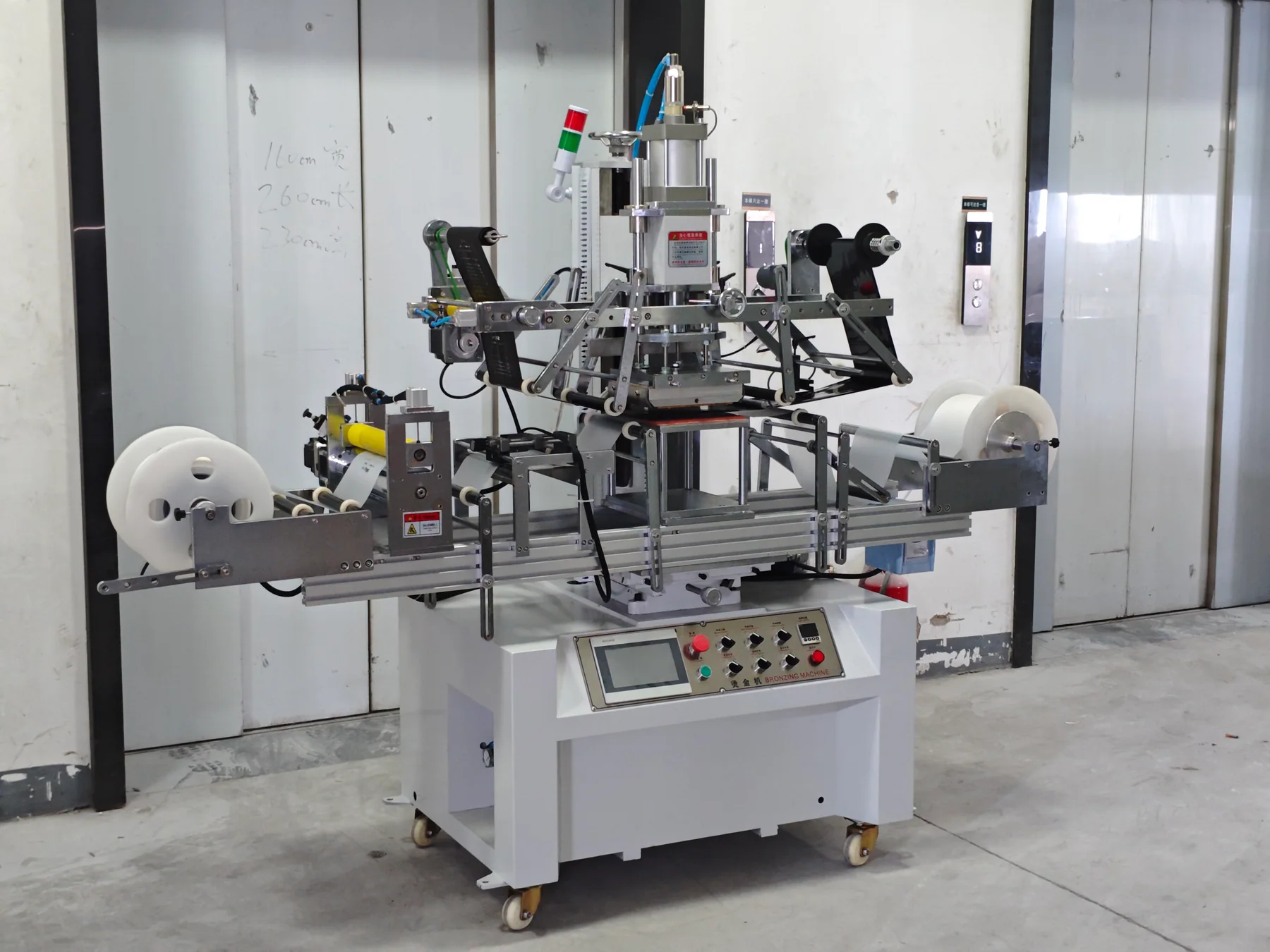
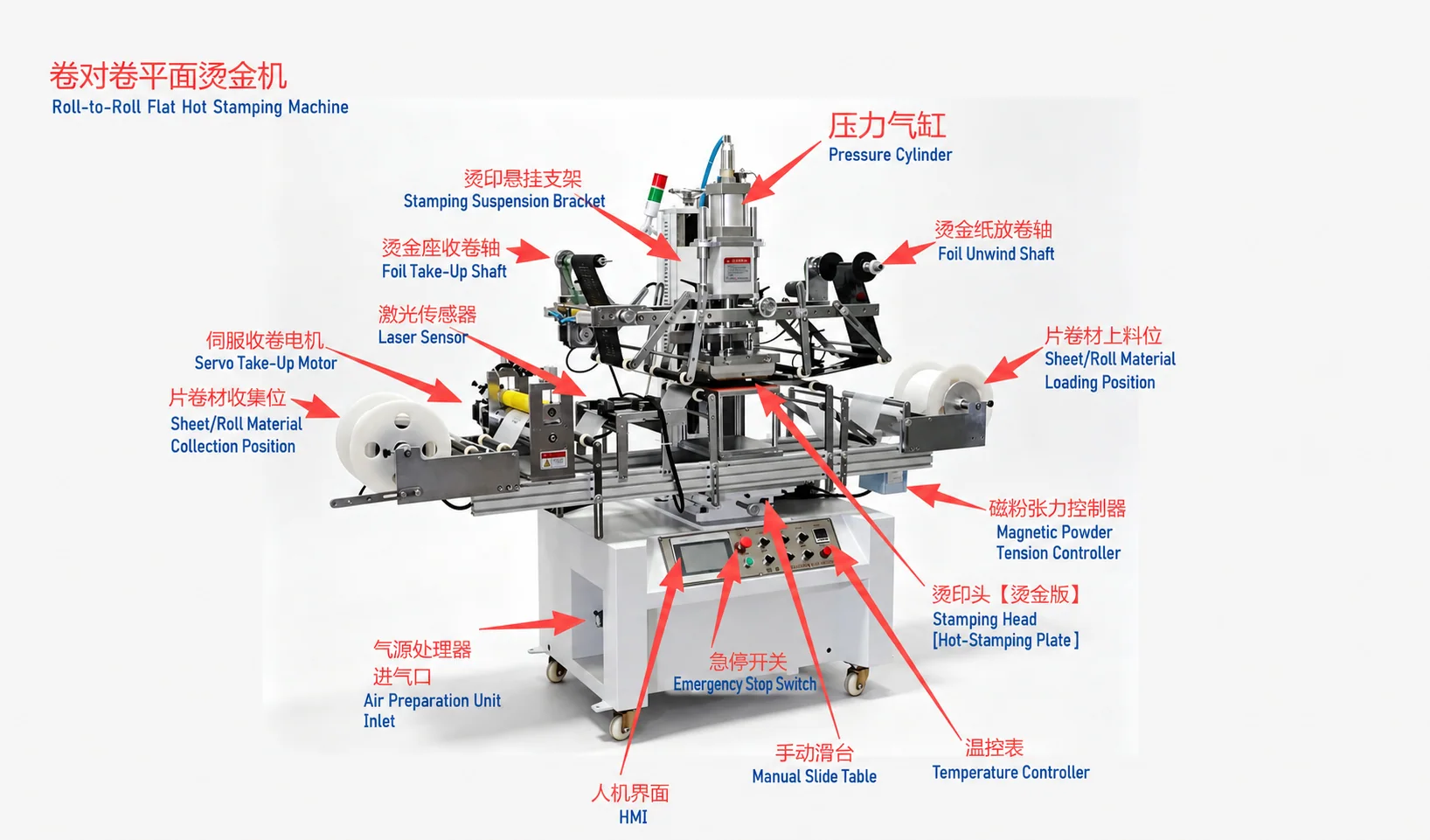
PT30SRoll-to-roll foil path and registration hardware
A silent edited clip showing foil threading, the physical registration-sensor adjustment and flat-head movement.
Application solution
A continuous-web hot-stamping route that coordinates product-web transport, foil handling, registration sensing, servo indexing and flat-head contact.
Solution overview
A roll-fed product must stop at a repeatable position for every stamp while a second material path supplies and collects foil. Registration quality therefore depends on the complete chain from web tension and mark detection to indexed motion, contact geometry and rewinding.
Confirm the roll material, repeat pitch, registration mark and required stamping area.
Load and thread the product web from unwind through the traction and stamping path to collection.
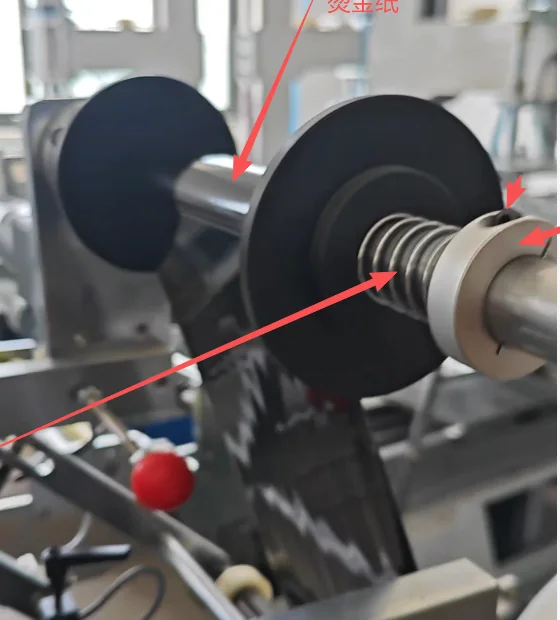
Load the foil and establish its independent unwind, guide and take-up path.
Use the registration signal and servo traction to index the product web to the stamping position.
Apply the flat stamping head with controlled support and contact, then release the web.
Advance both material paths and verify position, transfer coverage and winding over consecutive cycles.
Machine demonstration
Operating video
PT30SA silent edited clip showing foil threading, the physical registration-sensor adjustment and flat-head movement.


Decision framework
This solution is for a roll-fed product that must stop repeatedly under a flat stamping head while a separate foil path supplies and removes the transfer layer. Feasibility depends on the complete registration chain, not on one sensor or servo setting.
Confirm roll dimensions, substrate stiffness, edge condition, support through the stamping zone and the collection method. A material that stretches, curls or loses its datum needs a different handling strategy before registration is tuned.
Provide the repeat pitch, mark sample, contrast against the background and required position tolerance. The sensor must produce one stable event for each intended repeat without responding to artwork or background noise.
Product-web tension preserves the positional datum; foil tension presents and removes the transfer layer. Establish each path independently, then inspect their interaction only at the stamping and peel zones.
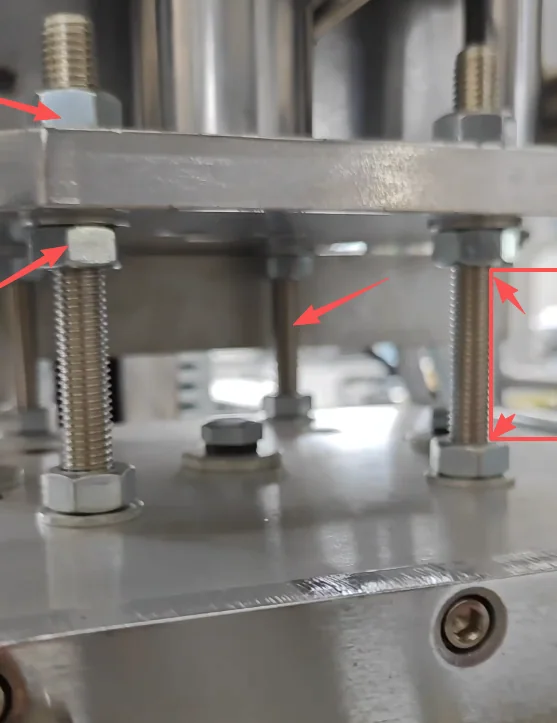
The stamping plate, support plane and product web must create a repeatable contact field. A fixed light area is first treated as a geometry or support problem, not corrected by increasing the complete pressure setting.
Field diagnosis
| Observed symptom | Priority judgement | Check first | How to confirm |
|---|---|---|---|
| Every stamp has the same position offset | Datum, sensor-to-stamp distance or fixed indexing offset | Confirm the physical mark, intended artwork position and mechanical stopping datum before changing gain or tension. | A controlled datum correction should move the complete result by a similar fixed amount without changing pitch. |
| Position error grows from repeat to repeat | Pitch mismatch, web slip, missed mark or commanded-versus-actual travel difference | Record several consecutive errors and compare their direction and increment instead of correcting one sample. | The error increment should stop accumulating after the responsible traction or sensing condition is corrected. |
| One web edge drifts or wrinkles first | Guide geometry, unequal edge tension, roll alignment or off-centre traction | Find the first roller or guide where the two edges no longer travel symmetrically. | Repeated dry indexing should preserve edge position before heat and foil contact are reintroduced. |
| A fixed area is consistently under-stamped | Plate support, parallelism, local substrate support or contact contamination | Inspect the contact trace and support map at that position before increasing heat, pressure or dwell. | A support or contact correction should improve the same area at unchanged process settings. |
| Registration changes as the roll diameter changes | Tension or rewind behaviour is feeding back into the indexed web | Observe product-web and foil take-up separately through the beginning, middle and end of a roll. | Position and peel behaviour should remain within the agreed window across the usable roll diameter range. |
Release criteria
Connected evidence
These routes are connected by selection conditions, process mechanism and validation order; they do not imply universal machine fit.
Related applications
Knowledge base
Commissioning
Selection notes
Questions
It comes from the whole chain: a stable mark, reliable sensing, controlled web grip and tension, repeatable servo stopping, and consistent contact geometry.
Accumulating error usually points to pitch mismatch, web slip, inconsistent mark detection or a difference between commanded and actual travel. A constant offset should be diagnosed separately.
No. They are separate material paths with different functions. Each must remain controlled, and their interaction at the stamping zone must then be checked.
No. A recipe download restores recorded controller commands only. Confirm the selected recipe identity, product, foil, tooling, web paths and safety state, then run safe motion checks and approve a defined run of consecutive trial pieces before release.
Contact Hengfa
Send product photos, dimensions, material, artwork position and output target. We will recommend a suitable machine configuration.